
What are the benefits of contactless donations for charities across the UK?
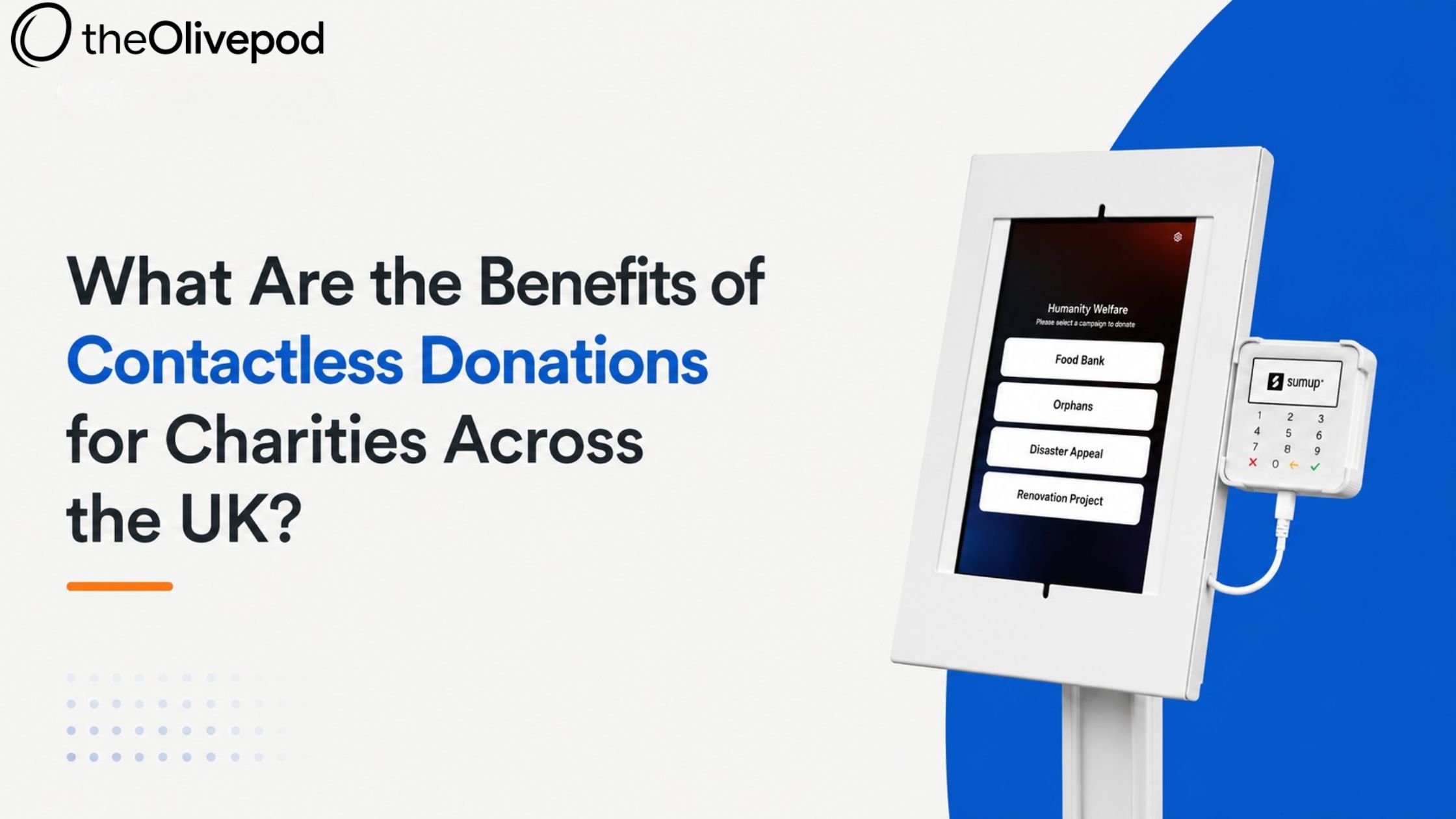
Contactless donations are transforming charities and nonprofit organisations. The world is becoming increasingly digital. The shift from cash donations to digital payment systems has created new opportunities for charities to reach donors, streamline operations and expand their impact across the country. Contactless charitable donations are more than a convenient payment method. They are changing how people donate and how charities raise funds.
Charities are finding that this technology not only encourages more frequent donations but also helps them reach younger, digitally engaged donors, who are comfortable using cashless methods, be it via QR-codes, mobile apps or tap-to-pay kiosks.
How are charities transforming with contactless donation technology?
The evolution of charitable giving
The way charities receive donations in the United Kingdom is changing significantly. The conventional means of donation, cash collections during events, checks sent via mail and visits, are slowly being replaced by online versions. Contactless donations allow charities to receive contributions securely and efficiently without handling cash.
Contactless payment systems adoption has been especially effective with nonprofits of any size. Local charities can now offer the same payment convenience that donors expect from retailers and larger organisations. From homeless shelters to educational nonprofits, organisations nationwide are integrating contactless donation solutions into their fundraising strategies.
Breaking down barriers to giving
Accessibility is one of the greatest benefits. Donors no longer need to carry cash or write cheques, as contributions can be made instantly with a single tap, scan or click. This reduction in friction means that spontaneous donations, which are crucial to the work of most charitable organisations, are more likely to occur. People can donate within seconds when they support a cause at an event. They can also give instantly by scanning a QR code.
What value do contactless systems bring to donor experience?
- Instant Gratification: Donors get instant feedback on their donation.
- Privacy and Security: Sensitive financial information is safeguarded by encrypted transactions.
- Flexibility: Various payment methods include various donor preferences.
- Global Accessibility: International donors can support charities more easily, regardless of location.
- Transparency: Online records enable benefactors to monitor their giving history.
- Mobile-First Approach: Can be used on smartphones that donors already have.
What key benefits do charities experience from contactless donations?
Increased revenue streams
Research suggests that charities adopting contactless donation methods often see an increase in fundraising income. This is largely due to the convenience of digital giving, which can attract more donors and reduce barriers to contributing. By enabling cashless giving, organisations can encourage donations from supporters who may not carry cash, helping to increase fundraising opportunities.
This trend is evident in real-life examples. Many fundraising events have reported improved donor participation after introducing QR code and mobile payment options. Many charities report that digital donation options help engage younger supporters who may not have donated through traditional channels. Community centers say that the no-contact terminals in the fundraising galas bring in the attention of donors who would not attend the events without cash.
Operational efficiency and cost savings
In addition to revenue growth, charities experience a lot of improvement in their operations. Physical currency counting, bank deposits and cash register management are time-consuming staff tasks and security issues. Contactless payment systems can significantly reduce these administrative challenges. Money is sent to bank accounts, eliminating the need to handle administration overhead and allowing staff to work on the mission-critical tasks.
Financial reporting becomes more efficient through automatically generated digital records. Online donation platforms make electronic records, which make reporting of finances and tax filing easier, and communication with donors simpler. Charities can immediately view the patterns of donations, who is donating the most, and how successful the campaigns are in real-time.
Enhanced donor relationships and retention
The use of contactless systems allows charities to develop valuable relationships with their supporters. With digital donations, organisations will be able to automatically send thank-you messages, impact updates and targeted appeals. Donors get confirmation emails and can view their giving history on apps, which encourages further interaction with donations.
It is an evidence-based methodology that enables charities to segment donors. They are able to lead personal communication and identify the best campaigns that appeal to different demographics, as well as loyalty programs that can reward repeat donors. The outcome includes improved retention and lifetime value per donor.
Expanded reach and accessibility
Contactless donation technology helps reduce geographic limitations. A small rural charity can take donations from those who can support it without the physical infrastructure where they are located.
This increased level of reach comes in handy, especially in times of emergencies. In the event of a natural disaster, charities will be able to start the digital campaign through charitable organisations. Mobile applications and websites allow donors across the country to react in real-time, which facilitates a quick response to aid. The pace and convenience of contactless donations have transformed the process of responding to disasters in the nonprofit world at its core.
How do observations and real-world examples demonstrate success?
Examples of contactless donation success
Across the United Kingdom, charities are increasingly adopting contactless donation technology to make giving more accessible and convenient. Organisations that introduce QR codes, donation terminals and digital payment options often find it easier to engage supporters who prefer cashless transactions.
Contactless giving is particularly effective at fundraising events, community campaigns and public awareness initiatives, where donors can contribute instantly without needing cash. By reducing barriers to giving, charities can create a smoother donor experience while improving operational efficiency.
As digital payments continue to become part of everyday life, contactless donation solutions help charities modernise their fundraising efforts and remain accessible to a wider audience. Whether used at events, places of worship, retail locations or community spaces, these solutions provide a practical way to support long-term fundraising goals.
Final thoughts
The revolution that has been caused by contactless donations goes way beyond convenience. These systems represent a significant shift in modern fundraising – one that aligns with how many donors prefer to give while helping charities operate more efficiently. With technology ever-changing, any charity adopting contactless solutions is poised to grow sustainably and gain more insight into its donors.
Is your charity ready to revolutionise its fundraising? Explore how contactless donation solutions could support your fundraising efforts and help strengthen donor engagement. Begin small-use a QR code in your next event and see with your own eyes how contactless donations can make your charitable cause even greater.
Frequently Asked Questions
Q: Can contactless donations be safe for the donor?
A: Yes, contactless donations usually involve industry standard encryption for secure checkout. At theOlivepod, we are PCI DSS compliant through SumUp. Contactless transactions are generally considered secure because they use encrypted payment processing and reduce the need to handle cash.
Q: What are some of the possible methods of payment to charities?
A: Contemporary contactless technology takes credit cards, debit cards, digital wallets (Apple Pay, Google Pay), QR code-based payments and bank transfers. This flexibility allows donors to contribute in a way that suits them.
Q: Do small charities require costly technology?
A: No. There are affordable solutions for both small and large charities.
Q: How fast does it take charities to get donations?
A: The majority of the contactless payment systems transfer money in less than 1-3 days of business, much quicker than conventional cheque-cashing.
Q: Are charities able to trace the donor information?
A: Yes, computers automatically keep records, which charities use to know about the behavior of donors, their preferences and giving habits in order to manage relationships better.