
Fundraising for religious organisations in the UK
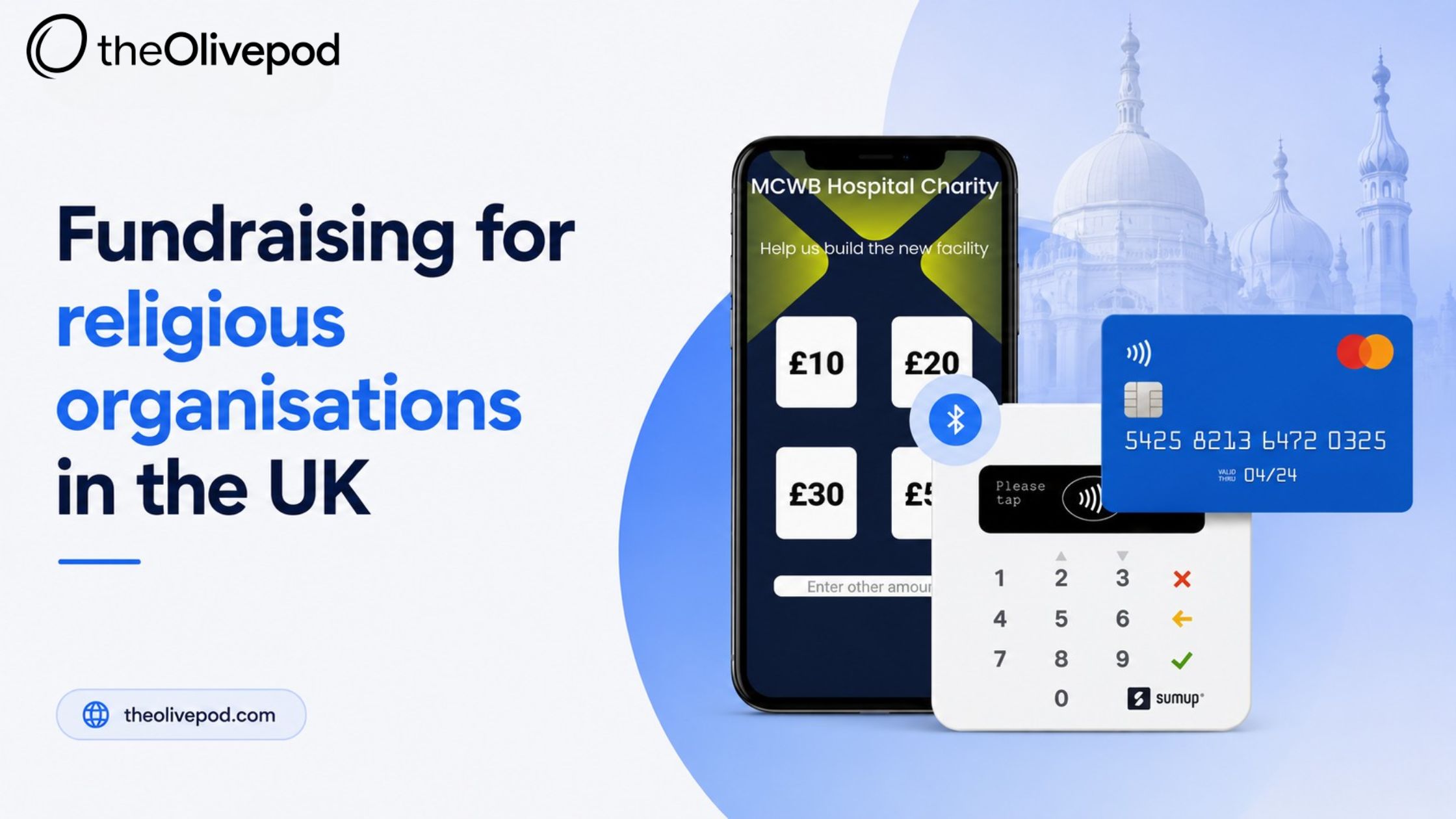
Fundraising has become an increasingly important part of running a religious organisation in the UK. Traditional collection plates and fundraising events remain valuable, but they are now part of a much wider fundraising strategy that includes contactless payments, online giving, grants, community fundraising, and corporate partnerships.
This change reflects the way people give today. The UK is becoming increasingly cashless, and people now expect convenient ways to donate money to charity, including through contactless payments and online platforms. At the same time, religious organisations are facing rising costs and changes in attendance and membership.
For religious organisations, effective fundraising is no longer simply about collecting donations. It is about making giving easy, communicating the impact of donations, and building long term relationships with supporters.
Quick answer
Religious organisations can improve fundraising by combining traditional giving with digital payment systems, online fundraising, community events, grants, and partnerships.
Contactless and online giving can make donations easier for people who do not carry cash. Clear communication can help supporters understand what their donations will fund, while a mix of income sources can make fundraising more sustainable.
The need for effective fundraising is becoming increasingly important. According to the Charities Aid Foundation, the UK public donated an estimated £14 billion to charity in 2025, compared with £15.4 billion in 2024. CAF also found that the proportion of people giving to charity has fallen from 69% in 2016 to 55% in 2025.
For religious organisations, this makes it important to offer convenient ways to give while showing supporters the real impact of their donations.
What does fundraising mean for modern religious organisations?
Fundraising helps religious organisations pay for their day to day operations while continuing to support their communities.
The money raised can help with:
- Maintaining historic buildings and places of worship
- Supporting vulnerable people in the community
- Funding youth and education programmes
- Providing community outreach
- Offering pastoral care and counselling
- Covering staff and essential operating costs
These responsibilities can create significant financial pressure, particularly for organisations that rely heavily on donations from their congregations.
At the same time, religious organisations playReligious organisations also play an important role in supporting their local communities. Many provide food support, pastoral care, youth activities, education, community programmes, and practical help for people facing financial difficulties.
This highlights why sustainable fundraising matters. Religious organisations are not only maintaining buildings and services. Many are also supporting people in their local communities.
How have fundraising methods changed for religious organisations?
Traditional fundraising methods remain important, but they are increasingly being supported by digital and community based approaches.
Traditional fundraising methods
Common traditional methods include:
- Collection plates used during services
- Fêtes and events organised by the local community
- Membership contributions from supporters
- Legacy gifts and endowments for long-term funding
- Charitable trust and grant applications
These methods can still generate valuable income, particularly when they are supported by strong relationships within the congregation and local community.
Modern fundraising methods
Religious organisations are increasingly using:
- Contactless payments by card or mobile
- Online donation platforms for digital giving
- QR codes linked to donation pages
- Email campaigns to reach supporters
- Social media campaigns to promote fundraising
- Crowdfunding for specific causes
- Peer-to-peer fundraising through supporter networks
- Corporate partnerships and sponsorships for additional support
The most effective approach is often not to replace traditional fundraising, but to give supporters more ways to contribute.
Why is digital fundraising important for religious organisations?
Digital fundraising makes it easier for people to donate money to charity using the payment methods they already use every day.
The shift towards contactless payments has important implications for religious organisations. UK Finance reported that 19.2 billion contactless debit and credit card payments were made in the UK during 2025. Contactless payments accounted for 67% of all credit card transactions and 76% of all debit card transactions.
This means people are increasingly familiar with paying by card or mobile device. They may attend a service or community event without carrying cash, but still want to make a donation.
Digital giving can remove that barrier.
It can also provide practical benefits for organisations, including
- Easier donation processing through digital systems
- Less cash handling for organisations
- Faster access to donation information
- Simpler reporting and record keeping
- Better visibility of giving patterns
- More convenient options for supporters to donate
The Church of England’s latest digital giving guidance provides a useful example. Churches raised almost £25 million through digital giving methods in 2025. The average contactless or chip and PIN donation was £8.73, while the average online gift was £30.19. Parishes received an average of more than £2,500 annually through contactless giving.
These figures relate specifically to Church of England churches, so they should not be treated as representative of every religious organisation. However, they demonstrate the potential of offering digital giving alongside traditional methods.
How contactless giving can support religious fundraising
Contactless giving can be particularly useful during services, community events, and other situations where people may want to donate without using cash.
A simple card reader allows a supporter to make a donation by tapping a card or mobile device. This can make the process quick and familiar.
The Church of England notes that contactless giving is familiar to people because it is already widely used in everyday settings such as shops and cafés. Its guidance also highlights the reporting benefits of digital giving for churches.
Contactless giving should complement other fundraising methods rather than replace them. Religious organisations can continue to offer options such as online donations, direct debit, cash collections, and fundraising events so supporters can choose the method that works best for them.
What challenges do religious organisations face when fundraising?
Religious organisations face several challenges when trying to increase and maintain fundraising income.
These include
- Some congregations have lower attendance or membership.
- Cash use has declined.
- Operating and maintenance costs are rising.
- Many organisations have limited fundraising capacity among volunteers.
- Greater financial transparency is now needed.
- Maintaining supporter relationships between fundraising campaigns can be difficult.
- Some organisations also have limited digital skills and resources.
The wider fundraising environment is challenging too. CAF’s latest research found that 55% of people gave to charity in 2025, compared with 69% in 2016. CAF estimates that there are now around six million fewer people giving than a decade ago.
Younger people are an important consideration. CAF’s research for 2024 found that 36% of 16 to 24 year olds said they had donated or sponsored someone for charity in the previous 12 months, compared with 52% in 2019.
This does not mean younger people cannot be engaged. It means religious organisations need to consider how they communicate, how they make giving accessible, and how they demonstrate the impact of donations.
How can religious organisations maximise their fundraising effectiveness?
A strong fundraising strategy should combine different income sources with clear communication and convenient ways to donate.
Diversify revenue sources
Do not rely on a single fundraising method. Combine traditional collections with online giving, fundraising events, grants, community campaigns, and partnerships.
A diversified approach can help reduce reliance on any one source of income.
Invest in accessible technology
Contactless readers, online donation platforms, and QR codes can make it easier for people to donate money to charity.
The technology does not need to be complicated. The priority should be making the donation process simple and accessible for supporters.
Show the impact of donations
People want to understand what their donations are helping to achieve.
Instead of simply asking for money, explain what the funds will support. This could include community food projects, youth programmes, building repairs, pastoral care, or local outreach.
Real examples can make the impact of giving easier to understand.
Keep supporters informed
Regular communication can help supporters understand financial needs, fundraising progress, and the difference their donations are making.
Transparency is particularly important when asking people to increase or maintain their giving.
Build relationships with the wider community
Fundraising does not have to come exclusively from members of a congregation. Community partnerships, local businesses, grant makers, and supporters who engage with a religious organisation’s charitable work can all become part of a wider fundraising strategy.
CAF reported that an estimated £4.2 billion was donated to charities by British businesses in 2024.
For religious organisations with strong community programmes, partnerships with local businesses can provide another potential source of funding and support.
Final thoughts
Fundraising is now a core part of sustaining religious organisations in the UK. Traditional giving remains important, but organisations that combine it with contactless payments, online fundraising, clear communication, and community partnerships can respond more effectively to changing donor behaviour.
The goal is not simply to raise more money. It is to make giving easier, build trust, and show supporters the difference their contributions make. A clear and flexible fundraising strategy can help religious organisations build financial sustainability while continuing to serve their communities.
Frequently asked questions
What is the most effective fundraising strategy for religious organisations?
There is no single fundraising strategy that works for every religious organisation. A combination of traditional giving, online donation platforms, community events, contactless payments and clear communication about financial needs can help create a more sustainable fundraising strategy.
How can we encourage younger members to contribute financially?
Make digital giving easy and accessible. Use online donation platforms and social media to show the impact of donations and explain how contributions support the wider community. Younger donors may be more likely to engage when giving is convenient and organisations are transparent about how donations are used.
What legal requirements apply to fundraising by religious organisations?
The requirements depend on the organisation’s legal structure and location. Registered charities in England and Wales generally need to keep proper financial records, prepare annual reports and accounts where required and use funds in line with their charitable purposes. Religious organisations should check the requirements that apply to their specific structure with the Charity Commission or the relevant regulator.
How can we communicate fundraising needs without appearing desperate?
Focus on the purpose and the impact rather than the financial shortfall. Explain what the organisation is trying to achieve, who it supports and how donations will help fund specific programmes or services. Clear and positive communication can help supporters understand why their contribution matters.
How can smaller congregations afford modern fundraising technology?
Start with simple, affordable options and add new tools gradually. Smaller organisations can begin with a basic contactless payment solution or online donation platform and expand as their fundraising needs grow. The focus should be on choosing technology that is easy to use, affordable and suitable for the organisation’s size.