
How are large organisations maximising cashless fundraising revenue?
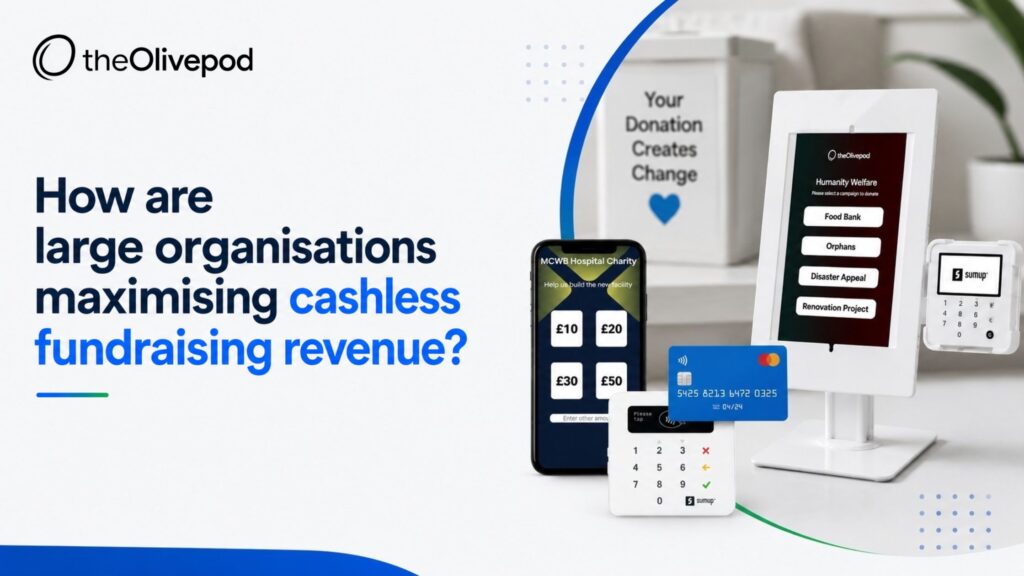
As more people choose to pay by card or mobile wallet instead of cash, charities are adapting the way they collect donations. Large organisations are investing in digital fundraising tools that make it easier for supporters to give wherever they are, whether that’s at an event, online or through a mobile device.
Cashless fundraising offers more than convenience. It helps charities process donations more efficiently, reduce the costs associated with handling cash and gain valuable insights into donor behaviour. With the right technology in place, organisations can create a smoother giving experience while building stronger relationships with supporters.
This guide explores how leading charities are using cashless fundraising to increase donations, improve operational efficiency and engage donors across multiple channels.
Why is cashless fundraising transforming large organisations?
Traditional fundraising methods often rely on cash collections, manual processing and paper records. While these approaches still have a place, they can be time consuming, labour intensive and harder to manage at scale.
Digital payment technology has changed this. Supporters can now donate in seconds using contactless cards, mobile wallets such as Apple Pay or Google Pay, or by scanning a QR code. Removing barriers at the point of donation makes giving quicker and more convenient, which can encourage more people to contribute.
For larger organisations running multiple campaigns or events, digital payments also simplify operations. Donations are processed automatically, reducing the need to count cash, reconcile payments or transport money securely between locations.
Another major advantage is access to donor data. Digital donations can capture information such as donation amounts, payment dates and supporter contact details, provided the donor chooses to share them. This allows fundraising teams to understand giving patterns, measure campaign performance and personalise future communications while complying with data protection regulations.
The technology behind modern fundraising
Many charities now combine several digital tools to create a connected fundraising system.
Contactless payment terminals allow supporters to donate instantly at events and public collections. QR codes placed on posters, banners or collection boxes provide a quick route to online donation pages, while fundraising platforms integrate with charity websites to accept secure online payments.
Many organisations also connect these systems to their Customer Relationship Management (CRM) software. This creates a central record of supporter activity, helping teams manage donor relationships, automate follow up communications and monitor fundraising performance through real time reporting.
By bringing payment processing, donor management and reporting together, charities can make better informed decisions and deliver a more consistent experience for supporters.
How are leading organisations implementing cashless fundraising?
Successful charities recognise that supporters prefer different ways to give. Rather than relying on a single donation method, many organisations use a mix of digital fundraising channels to make giving as accessible as possible.
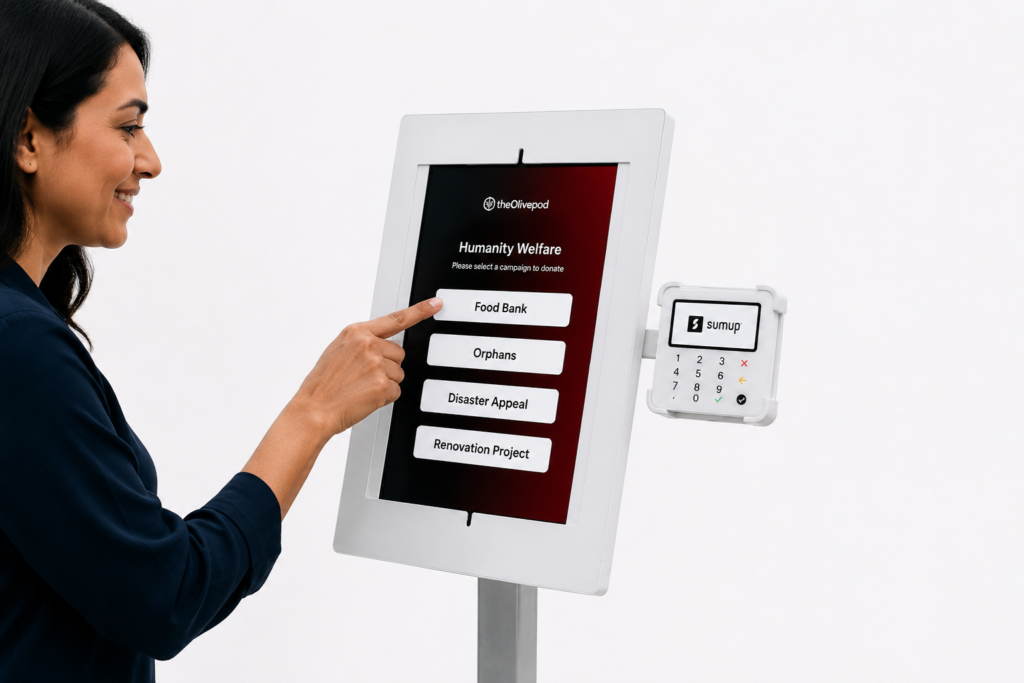
At fundraising events, contactless payment terminals have become a common sight. Supporters can simply tap their debit or credit card, or use a mobile wallet, to make a donation in seconds. QR codes displayed on posters, banners and collection boxes provide another simple option by directing donors straight to a secure online donation page.
Online fundraising has also become an important part of many organisations’ strategies. Website campaigns, online donation pages and integrated donate buttons make it easy for charities to reach supporters wherever they are, allowing people to contribute quickly and securely.
Peer to peer fundraising is another approach that continues to grow in popularity. Instead of fundraising alone, charities encourage supporters to create their own fundraising pages and share them with friends, family and colleagues. This extends the charity’s reach and often introduces new donors who may not have engaged with the organisation before.
How cashless fundraising can increase revenue
Introducing digital payment options can benefit charities in several ways beyond simply replacing cash collections.
Larger average donations
Many supporters are no longer limited by the cash they happen to carry. Digital payment methods allow people to choose donation amounts more freely, which can increase the average value of contributions.
Higher conversion rates
A simple donation journey encourages more people to complete their gift. Reducing the number of steps involved helps minimise abandoned donations, particularly on mobile devices.
Lower administrative costs
Processing digital payments reduces the time spent counting cash, preparing bank deposits and reconciling transactions. Staff and volunteers can focus more on fundraising and supporter engagement rather than administration.
Greater reach
Online fundraising removes geographical barriers. Whether someone lives locally or overseas, they can support a campaign instantly through a secure digital payment system.
Stronger donor relationships
When supporters choose to share their contact details, charities can send personalised thank you messages, provide campaign updates and invite them to future fundraising activities. Building ongoing relationships often leads to higher donor retention over time.
Better reporting
Digital fundraising platforms provide real time reporting that allows organisations to monitor campaign performance as donations are received. This enables teams to identify successful campaigns quickly and make informed decisions throughout the fundraising period.
Appealing to new audiences
Younger generations are far more likely to use digital payment methods than cash. Offering contactless and mobile payment options helps charities engage supporters whose preferred way to pay is through their smartphone or digital wallet.
Final thoughts
As digital payments continue to become part of everyday life, charities have an opportunity to make donating easier than ever. Cashless fundraising is no longer simply an alternative to collecting cash. It has become an effective way to reach more supporters, simplify administration and gain valuable insights that can improve future campaigns.
The most successful organisations combine technology with a donor focused approach. By offering secure, convenient ways to give across events, websites and mobile devices, charities can remove barriers that might otherwise prevent someone from making a donation.
Whether your organisation is planning a community fundraiser or managing a national campaign, investing in digital fundraising tools can help create a smoother experience for both supporters and fundraising teams.
Ready to modernise your fundraising?
If you’re considering introducing contactless giving, start by reviewing your current fundraising activities and identifying where digital payments could make the biggest difference. Many charities begin by adding contactless payment terminals to events or creating online donation pages before expanding into QR code campaigns, peer to peer fundraising and integrated donor management systems.
A well planned approach allows your organisation to improve the donor experience while building a more efficient and flexible fundraising strategy for the future.
Frequently Asked Questions
What payment methods can charities accept for cashless fundraising?
Most fundraising platforms support debit and credit cards, contactless card payments, Apple Pay, Google Pay and online bank card transactions. Some providers also offer digital wallets and recurring donation options.
Is cashless fundraising suitable for smaller charities?
Yes. Many platforms are designed for organisations of all sizes. Smaller charities can start with an online donation page or a single contactless payment device and expand their digital fundraising as demand grows.
Are digital donations secure?
Reputable payment providers use encrypted payment processing and comply with recognised security standards, including PCI DSS requirements. Choosing a trusted provider helps protect both the charity and its supporters.
Can cashless fundraising be used alongside traditional fundraising?
Yes. By offering both digital and cash donation options, organisations can make giving more convenient for a wider range of supporters.
How can charities encourage more people to donate digitally?
Making the donation process quick and straightforward is key. Displaying QR codes clearly, promoting online donation links across social media and email campaigns and offering contactless payment options at events can all help increase participation.
What should charities consider when choosing a fundraising platform?
Look for a platform that offers secure payment processing, straightforward reporting, CRM integration, recurring donation options and a user friendly experience for both supporters and administrators. It’s also worth considering transaction fees, customer support and how easily the platform can scale as your fundraising grows.